
Structured Arch Support
Firm enough to resist flattening under pressure while supporting the natural shape of the arch.
Standing through long shifts left my heels aching, my arches burning, and the discomfort sometimes travelled into my knees and lower back. Stretching, creams, and changing shoes only helped temporarily.
I tested three popular options—Dr. Scholl’s, PowerStep, and RestoFlex—to see which one provided the best balance of support, comfort, and durability. Here is my honest experience with all three.
How the three insoles compared during long days on my feet


I started with Dr. Scholl’s Heavy Duty because it is one of the most widely available options for people who spend long hours on their feet.
At first, they felt soft and cushioned, so I thought I had finally found something that would make my shifts more manageable. Unfortunately, by the end of the day, the aching in my heels and arches had returned.
The biggest issue was the arch support. It felt too low and too soft to properly support my foot, especially once my full body weight was placed on it.
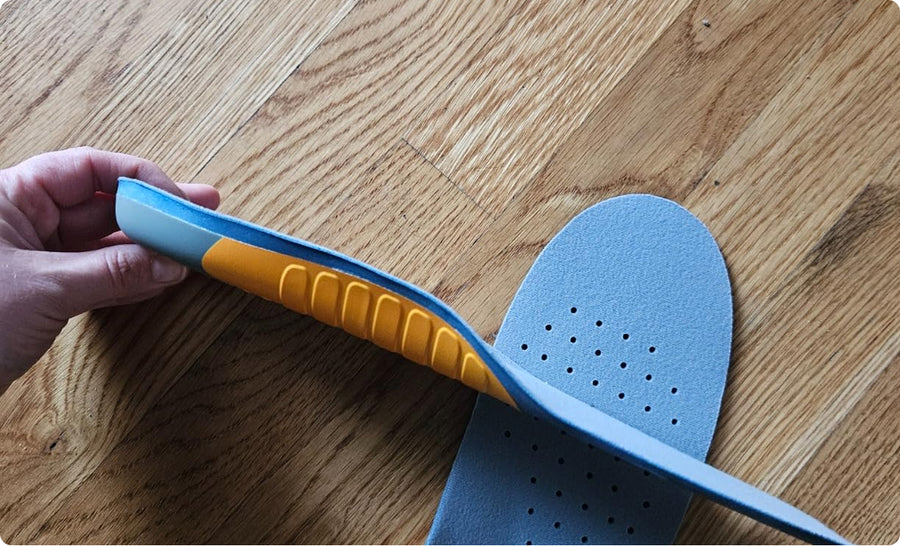
Dr. Scholl’s may be suitable for someone who only wants a little extra cushioning, but it did not provide the structured support I needed for persistent heel and arch discomfort.
Next, I tried PowerStep Pinnacle. The reviews were strong, and the insole looked much more structured than the first option, so I expected better support.
At first, the shape felt promising. But once I placed my full weight on them, the arch support compressed more than I expected and did not keep my feet as stable as I needed.
The other issue was comfort. The base felt quite firm, but there was not enough cushioning in the heel and forefoot. After several hours, that stiffness started turning into soreness.
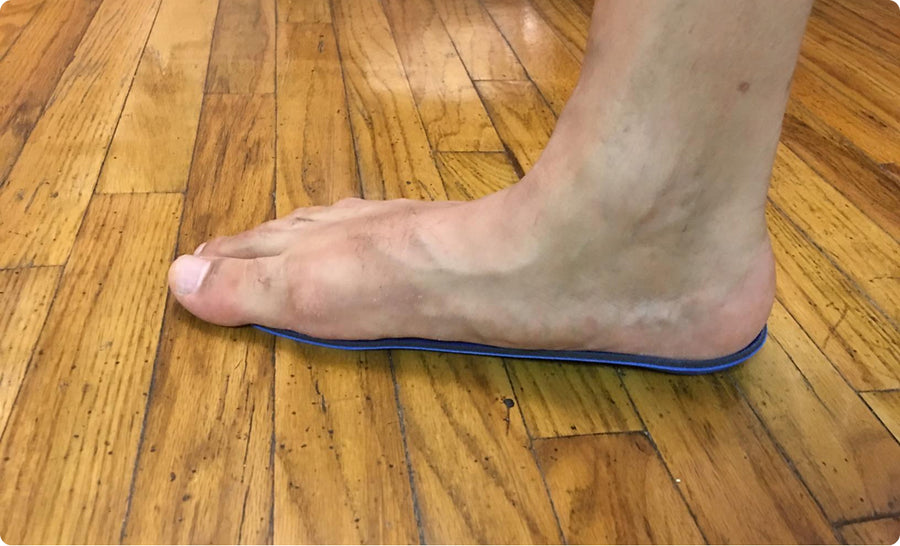
PowerStep felt like an improvement over a basic drugstore insert, but the balance between support and cushioning still was not right for all-day use.
After being disappointed by the first two options, I decided to try RestoFlex Steps. What immediately stood out was the combination of structured support and cushioning.
The arch support felt firm enough to hold its shape under my weight, without feeling painfully rigid. My feet felt more stable inside my shoes, and I noticed less pressure around my heels during long periods of standing.
The deep heel cup helped keep my foot in a more supported position, while the cushioning under the heel and forefoot made walking feel noticeably more comfortable.
Unlike softer inserts that flatten quickly, RestoFlex felt supportive throughout the day. It was the first option that gave me both structure and comfort rather than forcing me to choose between the two.
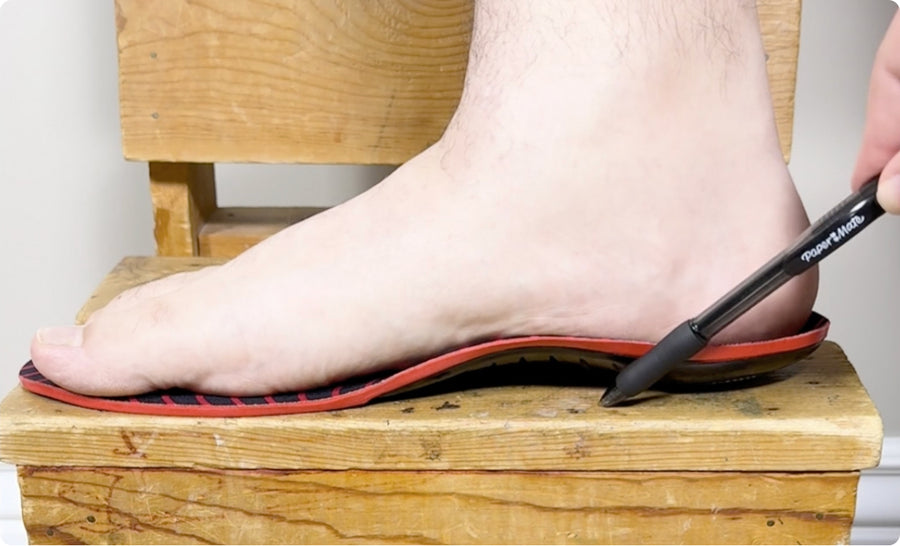
RestoFlex Steps offered the strongest overall balance of arch support, heel stability, and cushioning. Out of the three options, this was the one I would choose for long days spent standing or walking.
Many basic insoles focus almost entirely on softness. That can feel comfortable at first, but soft foam often compresses under body weight and loses the structure needed to support the foot throughout the day.

RestoFlex Steps are designed to combine structured support with targeted cushioning. Instead of simply creating a softer surface, they help support the foot in a more stable position while absorbing pressure during standing and walking.
This combination is what made the biggest difference for me. The support did not disappear once I placed my weight on the insole, and the cushioning helped prevent that hard, rigid feeling common with some structured orthotics.
Firm enough to resist flattening under pressure while supporting the natural shape of the arch.
Helps cradle the heel and supports a more stable foot position inside the shoe.
Additional padding under the heel and forefoot helps absorb pressure where it is often felt most.
The insole can be trimmed along the guide to fit many everyday, work, and walking shoes.


Join customers who have upgraded their everyday shoes with structured arch support, heel stability, and targeted cushioning from RestoFlex Steps.
 Today at RestoFlex — 30% OFF + Free Gift

See our 1,000+ verified customer reviews


